|
 |
||||||||||||||
 |
 |
 |
 |
 |
 |
 |
 |
 |
|||||||
 |
 |
 |
 |
 |
 |
 |
|||||||||
 |
|||||||||||||||
 |
|||||||||||||||
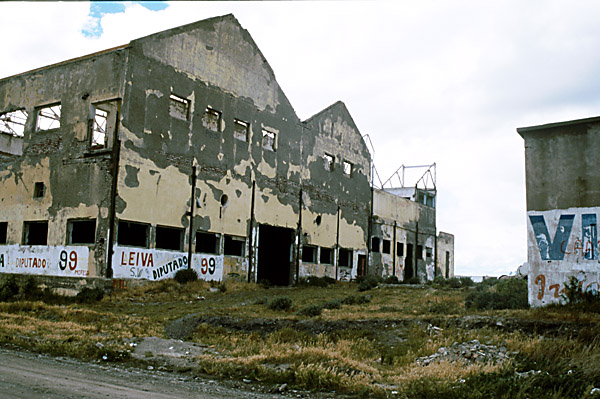
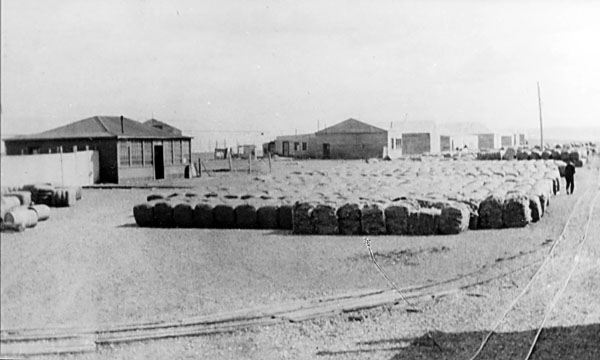
Río Gallegos 'The Swift frigorífico' The owners were almost immediately taken over by the Swift Beef Co, and it is as the 'Swift' plant that the frigorífico was known for the rest of its life. It survived until the 1970s, but the derelict buildings remain, as seen below.
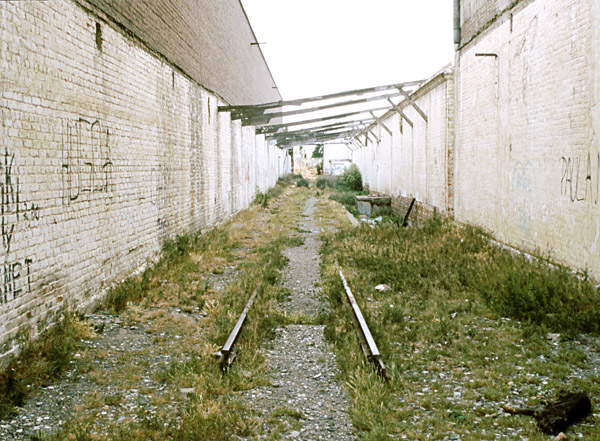
Within the abandoned frigorífico track survived until nearly 2010 before being cleared, as seen below.
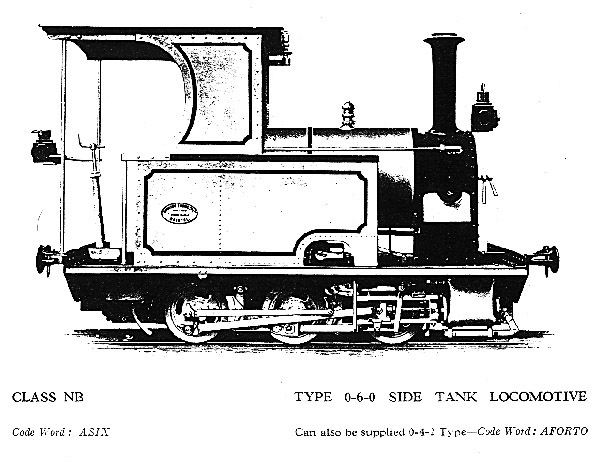
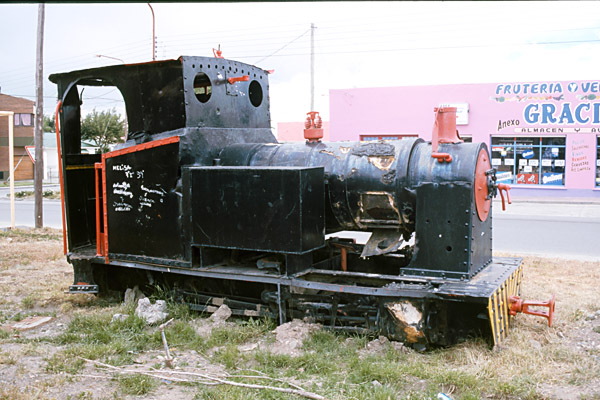
The plant had one steam locomotive, an Avonside 0-4-0T, no. 1592 of 1910. This also still survives, though in an extremely poor condition. The drawing was taken from an Avonside catalogue of the 1920s. The loco was of their class NB. This was a small design, weighing only six and a half tons in working order, and available for gauges between 2' and 3' 6" (1). Whilst the Swift loco was an 0-4-0T rather than an 0-6-0T it seems likely that the overall wheelbase was not all that different.
This view of the engine by itself was taken by Richard Campbell one evening when the sun was low. [1009]
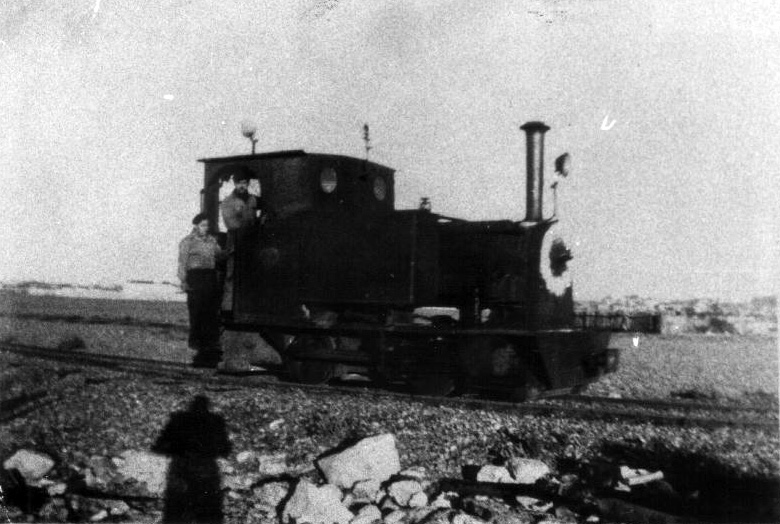
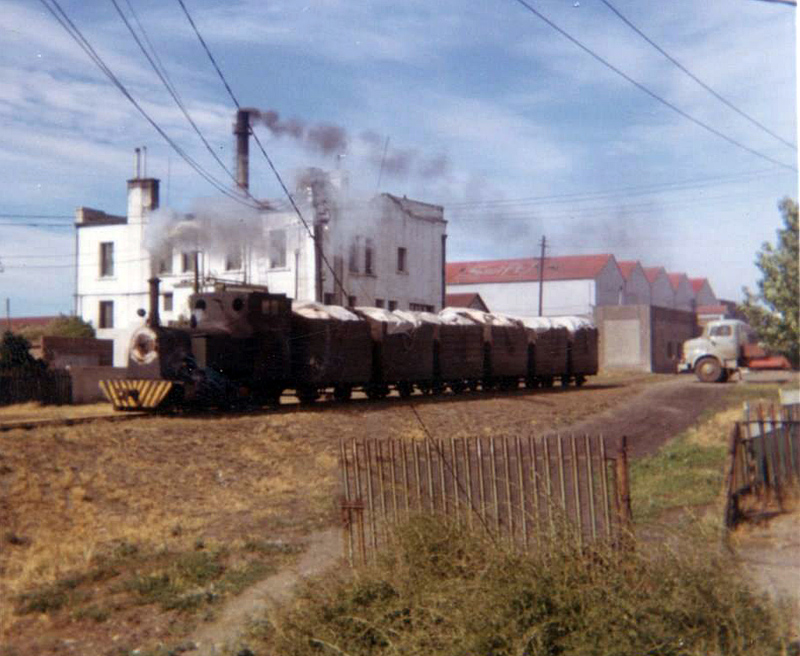
This is the only view which has so far come to light of the railway in operation. Its author is Jorge Prinos who worked for Swift, being in charge of all their machinery. The view was found on Facebook. [1690]
The photo below shows it in 2000, in the local museum's outdoor facility near the big roundabout that was at the time on the southern outskirts of town. More recently it has been moved (along with the RFIRT's Henschel 0-8-0CT) to the Amigos del Tren compound near the old RFIRT loco shed (2).
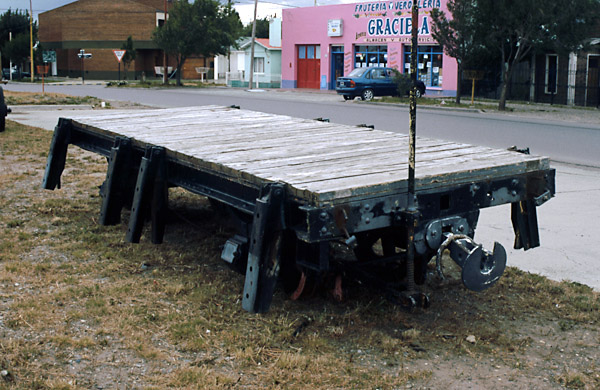
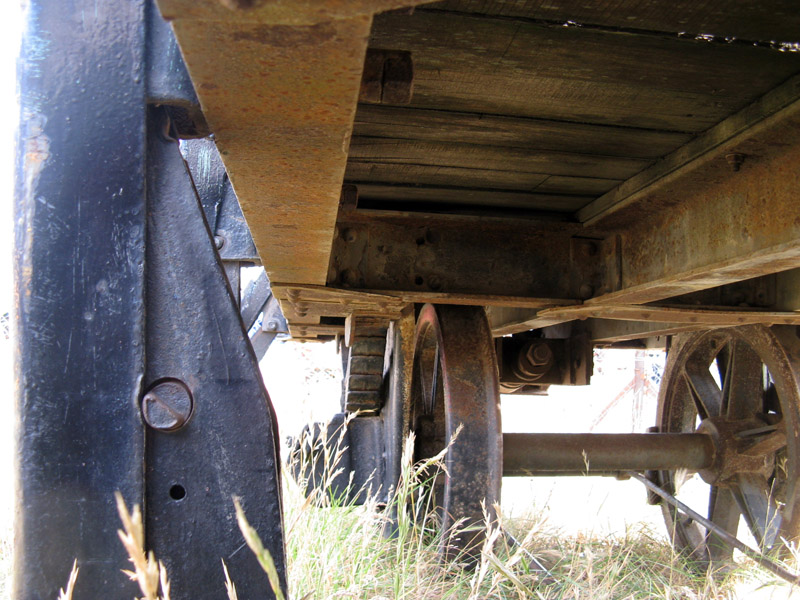
A single flat wagon lay near the loco, both at the roundabout and now in the museum, where in 2014 David Sinclair crawled underneath it. It had seemed likely that this came from the Swift plant, despite the chopper coupling. However, underneath, it was clear that it had originally been metre gauge, but was now 75 cm gauge. It would thus appear that this may have been an ex Central of Chubut wagon which had been re-gauged at the Bahía Blanca North Western works for the Río Turbio line.
Note how the spring does not bear directly on the solebar, as it would have when new.
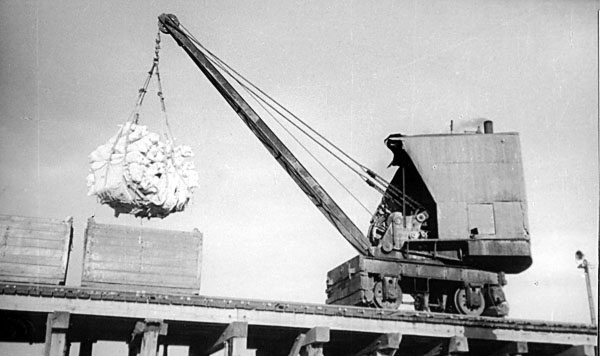
The Swift muelle had a rail-mounted steam crane on it, of unknown gauge though almost certainly wider than the 3' 6" of the main frigorífico system. The following photo, by Señor Walter Roil, shows the steam crane lifting a load of sacks from what may be narrow gauge wagons on the muelle. [This photo belongs to an unrelated website, which can be accessed directly by clicking on the image.]
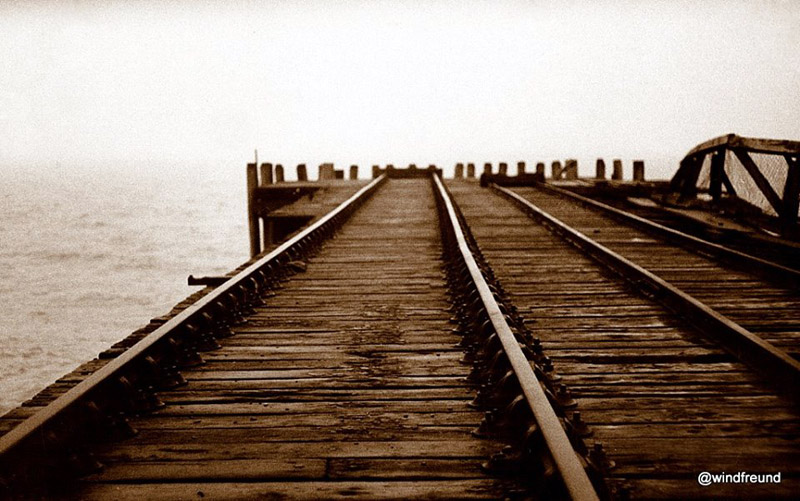
From the Facebook page of José A Weisser Fohmann comes this view, taken in 1982, looking out to sea, along the Swift muelle. The track on the left is almost certainly standard gauge and was the one on which the travelling steam crane operated; it can be seen that it uses bull-head rail with very closely spaced chairs. The one on the right is where the trains ran and is of 3' 6" gauge.
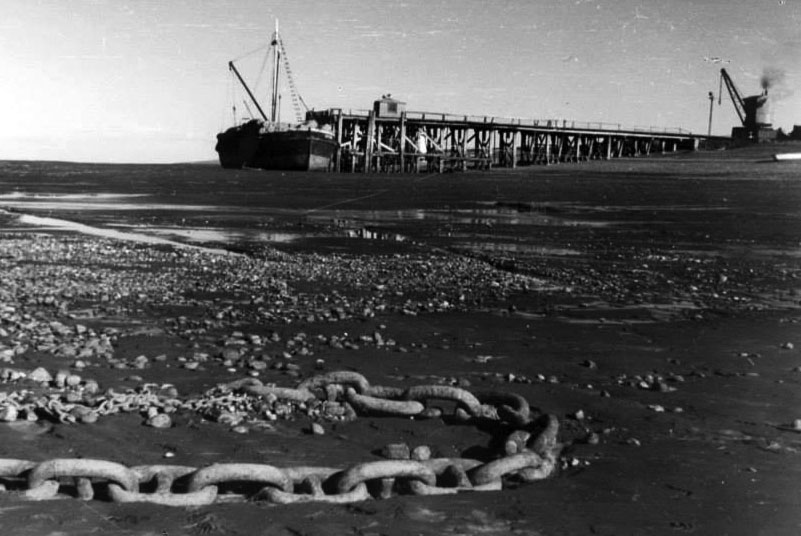
This is a view of the complete Swift muelle at low tide showing the steam crane at the shore end. [1534]
Río Gallegos seems to have had additional narrow gauge railway tracks along its foreshore, probably of 60cm gauge and linking to the 'Enosis' muelle.
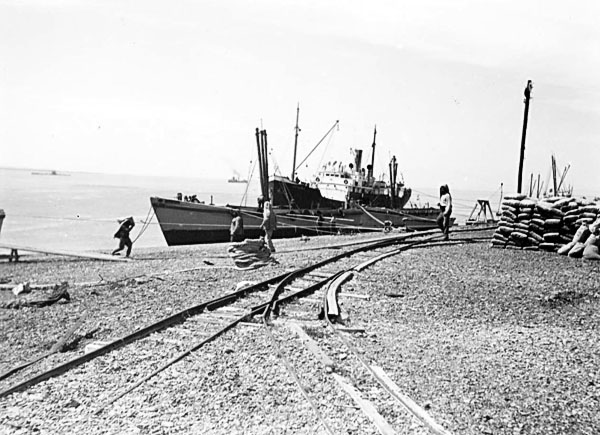
These two pictures were taken by Señor Walter Roil, a professional photographer in Río Gallegos. The one above was taken in 1940 and the other in 1935. [These photos belongs to an unrelated website, which can be accessed directly by clicking on the images.] More recent (2016) information from Río Gallegos suggests that this line was operated by the La Anonima (full name La Sociedad Anónima Importadora y Exportadora de la Patagonia), the Braun-Menéndez conglomerate, in connection with the wool exporting side of their business.
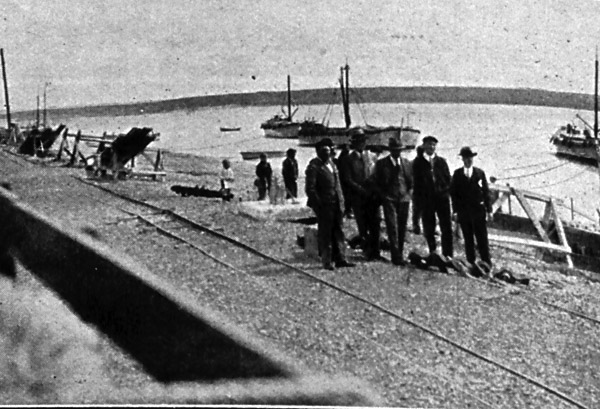
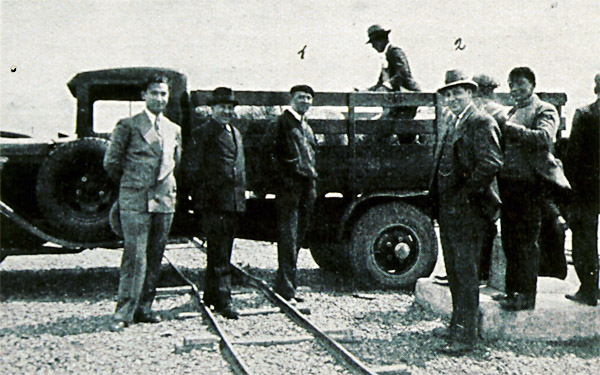
The two photos shown here were taken from Argentina Austral magazines of the 1920s. They were taken on the occasion of carcases from estancias Bella Vista and El Cóndor being loaded for shipment north in the steamer José Menéndez. 60cm gauge railway tracks can be seen in both illustrations. We don't know the location of these two photos, but it is possible that they are at Puerto Cóndor from where the wool was shipped before the construction of the road to Río Gallegos.
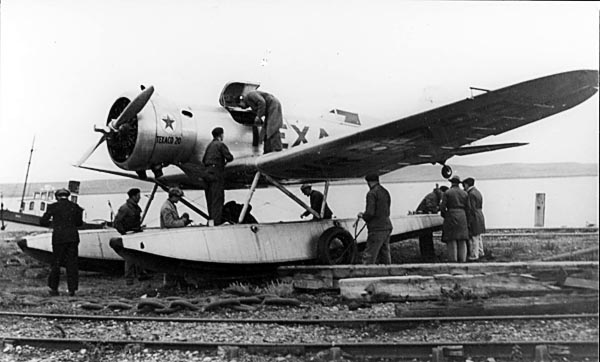
A final photo by Señor Roil was taken in 1935 when the Australian polar explorer Hubert Wilkins was flying to Antarctica in his Northrop Gamma ‘Polar Star’. This shows some rather heavy weight track along the foreshore, made up , most unusually for Argentina, of bullhead rail in keyed iron chairs. This may well be part of the Swift system. [This photo belongs to an unrelated website, which can be accessed directly by clicking on the image.]
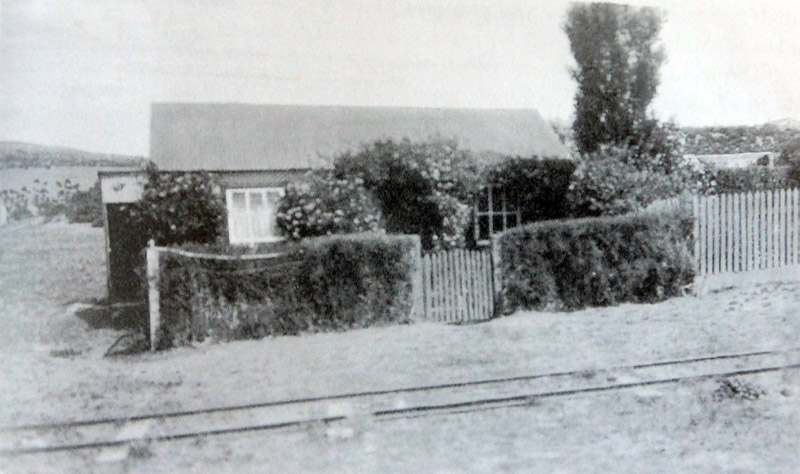
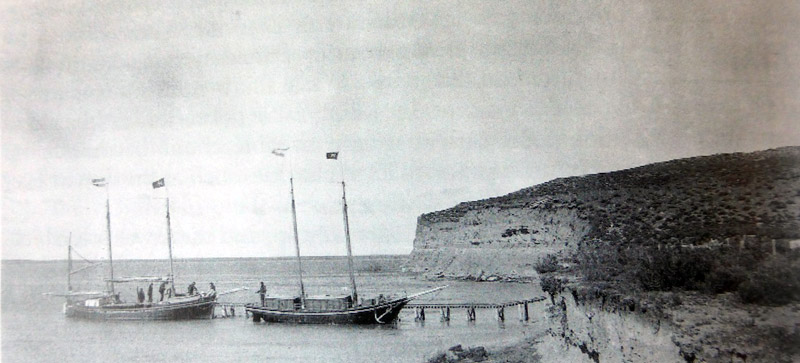
Killik Aike Norte Across the estuary from Río Gallegos is Estancia Killik Aike Norte, one of the earlier estancias in the area dating from the late nineteenth century. In the early twentieth century this was provided with a Decauville line extending about a kilometre from the wool storage shed to a small muelle where the wool was loaded on to one of the estancia's two sailing vessels to take it across the estuary at high tide to Río Gallegos to await shipment overseas. (3)
The upper view shows the line passing in front of the original manager's house, while the second one shows the muelle with the estancia's two vessels, Malvina and Priscilla.
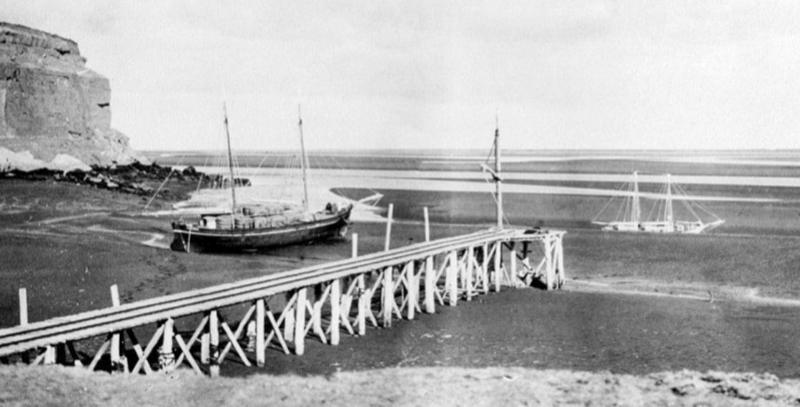
Another view, this time looking down on to the muelle, showing the layout of the track on it, and the simple derrick for loading at its end. The estancia’s two schooners (the Malvina and the Priscilla) are visible, though we don’t know which is which. The black hulled one has already been well loaded with bales of wool, presumably ready to head off down the estuary to an anchored deep-sea ship, while the other lies in the channel. The extreme range of the tides in this estuary is clearly shown by the marked difference in levels of the two vessels. From its age, it is assumed that the view is in the public domain. (5a) [2482]
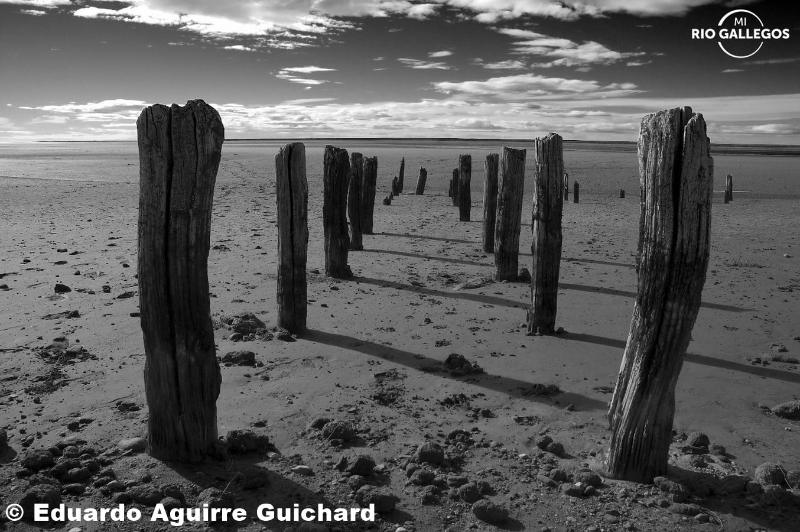
This is a view, from the same source, authorship as noted, taken from part way along along the line of the muelle looking towards the deep channel, showing what remained of the muelle in 2009. (5b) [2482a]
Paso Marsicano Paso Marsicano está ubicado cerca la cabeza de la ría Deseado, unos 45 km arriba de la ciudad homónima. Hemos recibido sugerencias que existía un ferrocarril aquí para servir la estancia, pero esto es la primera evidencia firme a descubrirse. Se descubrió en el sitio web Puerto Deseado: Cabos Sueltos.
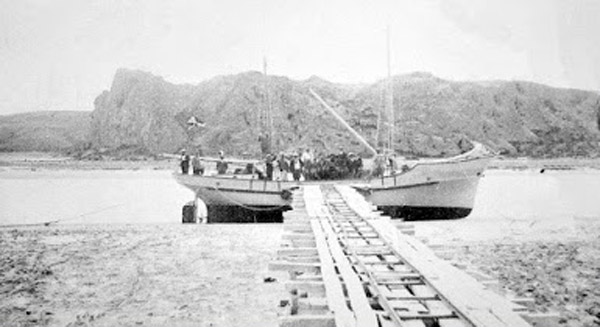
El muelle fue proveído de una línea de rieles y dos pasarelas de dos tablones de ancho. El enlace al mundo afuera de la estancia antes de la formación de las carreteras está inclinado sobre el término del muelle durante la marea baja.(4)
References: 18-3-2021 |
|||||||||||||||
 |
|
|
|
|
|
|
|
|
|
|
|
|
|
||
Main pages
Chapter 8
The big estancias and 'frigoríficos'